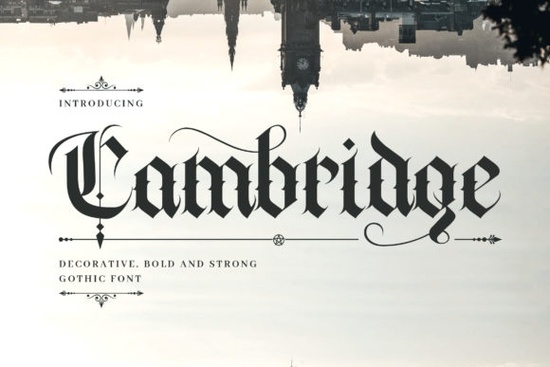
If you've been searching for a blackletter font that feels both classic and versatile, the Cambridge Font is worth a close look. It draws from gothic lettering traditions and brings that bold, ornamental character to modern design projects. Whether you're working on signage, branding, or print-on-demand products, this font gives you a striking typographic foundation without feeling outdated.
What exactly is a blackletter font, and why do designers still use it?
Blackletter fonts sometimes called gothic or Old English typefaces trace back to medieval manuscripts. They feature dramatic thick-and-thin strokes, sharp angles, and decorative flourishes. Designers reach for them when a project needs a sense of tradition, authority, or visual weight.
Despite their old roots, blackletter fonts show up in plenty of modern contexts:
- Tattoo shops and biker culture branding
- Beer labels, whiskey packaging, and craft beverage branding
- Music posters, album covers, and band merchandise
- Streetwear and clothing line logos
- Event invitations with a formal or dramatic tone
- Print-on-demand designs for mugs, shirts, and wall art
The Cambridge Font fits neatly into all of these. Its elegant letterforms feel authentic rather than cartoonish, which is a common problem with lower-quality gothic fonts.
What makes Cambridge stand out from other blackletter options?
There's no shortage of blackletter fonts available, but not all of them hit the right balance between readability and style. Some are too ornate to use at smaller sizes. Others feel generic and lack personality.
Cambridge manages to stay detailed without becoming illegible. The letter spacing feels intentional, and the character shapes hold up well whether you're setting a headline at 72pt or using it for a logo at a moderate size. That combination of elegance and clarity is what makes it practical for real-world projects.
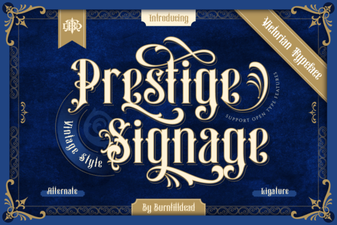
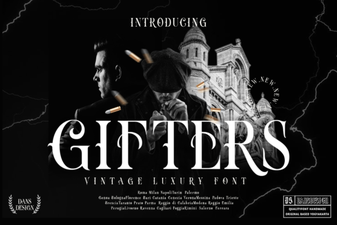
If you're building a collection of gothic-inspired typefaces, it pairs well alongside options like Prestige Signage, which leans into a more display-oriented blackletter style suited for large-format work. For something with a slightly different mood, Porphyria offers another take on the gothic aesthetic. And if you want a blackletter font with a more hand-drawn, craft-friendly feel, Gifters is worth exploring too.
Which projects work best with the Cambridge Font?
Here are some specific ways designers and small business owners are using this style of blackletter typeface:
- Logo design A blackletter font gives brands in food, beverage, or lifestyle niches an instantly recognizable identity. Cambridge works particularly well as a primary wordmark or monogram.
- Merchandise and POD products T-shirt designs, tote bags, and posters with gothic lettering continue to sell well across platforms. The dramatic letterforms catch eyes in thumbnail previews.
- Wedding and event stationery For formal invitations, menus, or place cards, blackletter type adds a sense of ceremony and sophistication.
- Social media graphics Bold typographic posts using gothic fonts tend to stop the scroll, especially for quotes or announcement-style content.
- Book covers and editorial layouts Historical fiction, fantasy, or horror genres benefit from the medieval feel of blackletter type.
How do you use a blackletter font without making the design feel heavy?
This is a fair concern. Blackletter fonts are bold by nature, and overusing them can overwhelm a layout. A few practical tips:
- Pair it with a clean sans-serif for body text. Let the gothic font do its job as a headline or accent, and use something simple for everything else.
- Watch your color choices. Blackletter fonts in deep black, navy, or burgundy on light backgrounds look refined. Avoid neon or overly bright color combinations.
- Give it breathing room. Generous spacing around blackletter text prevents the design from feeling cramped.
- Limit the use. One or two words in a blackletter typeface is usually enough. Setting an entire paragraph in gothic script rarely works.
You can find the Cambridge font on Creative Fabrica along with its full character set and licensing details.
Quick checklist before you start designing with Cambridge
- ✔ Check the license covers your intended use (personal, commercial, POD)
- ✔ Test the font at the actual size you'll use what looks great on screen may need adjustment in print
- ✔ Choose a complementary secondary font for contrast
- ✔ Keep text layers editable so you can adjust spacing and kerning
- ✔ Export a test print or mockup before finalizing any product
Start by downloading Cambridge and trying it on one small project a social media post, a sticker design, or a simple logo concept. Getting a feel for how the letterforms behave in your actual workflow is the best way to decide if it belongs in your regular rotation.
Try It Free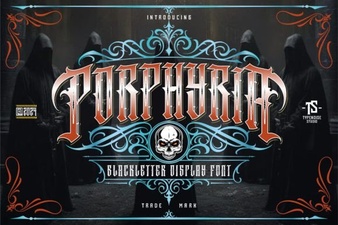 Porphyria Font: Creative Typography for Design Projects
 Prestige Signage Font - Bold Blackletter Typeface for Elegant Displays
 Gifters Font – Free Blackletter Font Download
 Sumario Font: Modern Typography for Creative Designers
 Creative Font Maker Ideas for Stunning Designs
 Afterglow Font: Luminous Typography for Bold Designs